Market
/
feb 16, 2025
Amazon Transparency — The New Global Standard for Brand Protection and Traceability
Brand Protection and Global Traceability. Discover how Amazon Transparency ensures authenticity and provides a reputational competitive edge for your products.
An Initiative Redefining Trust in the Marketplace
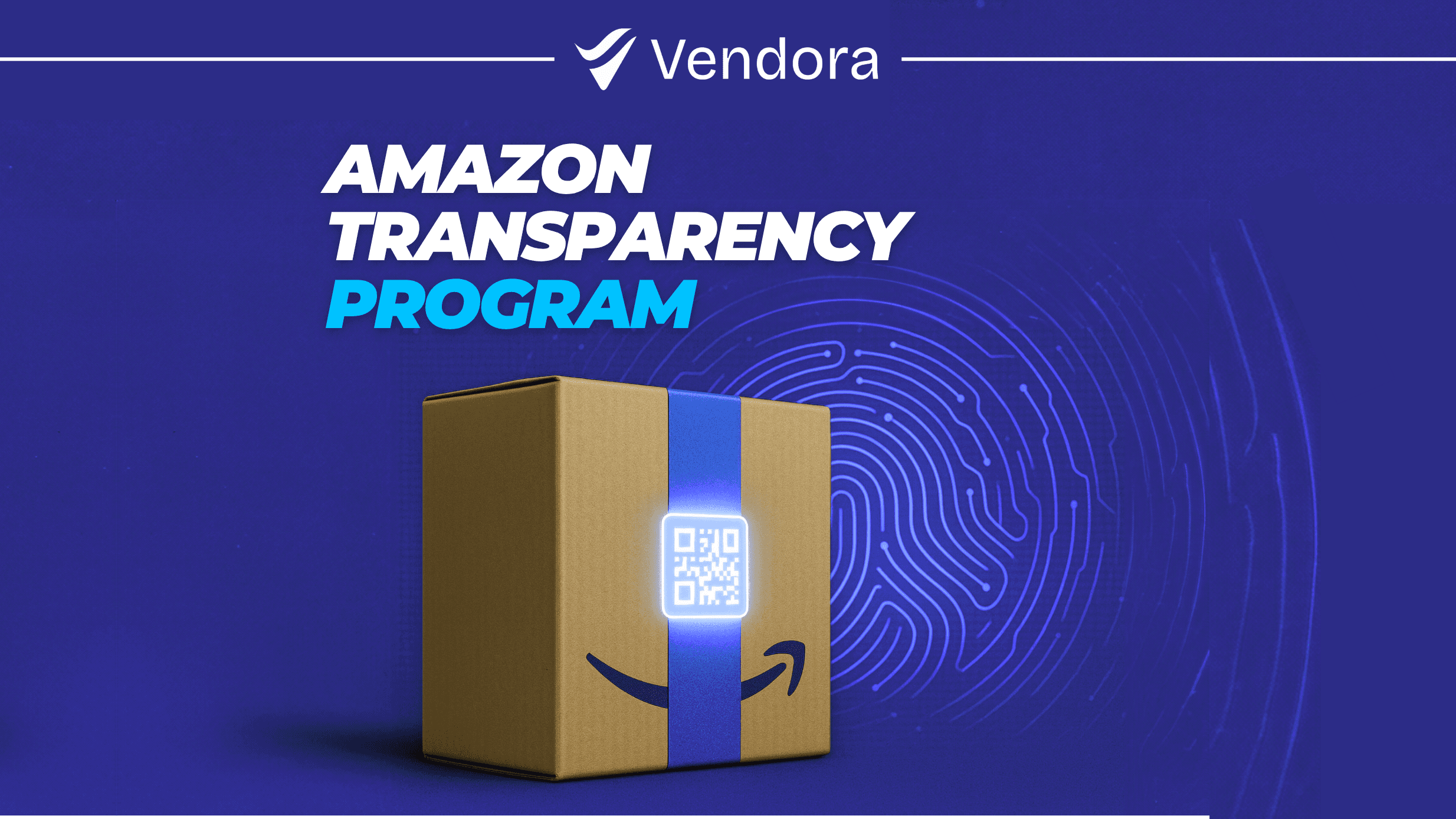
With the Amazon Transparency program, the Seattle giant introduces a model of advanced authentication based on unique traceability codes applied to every single product unit.
Each item enrolled in the program receives a unique identifying code, automatically verified by Amazon before shipping and accessible to customers via the official app.
The goal is clear: to make the sale of counterfeit or unauthorized products impossible, while safeguarding brand integrity and buyer confidence.
Transparency is now active in over 100 countries and integrated into all Amazon's European platforms, becoming the new benchmark for global-scale digital brand protection.
The Context: A Multi-Billion Dollar Challenge
Online counterfeiting represents one of the most significant issues for brands across all categories.
According to the latest industry analyses, global losses generated by counterfeit products exceed $500 billion annually, with a 20% increase over the past three years.
Amazon has responded by investing over $1.2 billion in tracking technologies, machine learning, and human verification.
The result is a platform where every brand can identify, monitor, and certify the origin of their products, without intermediaries or complex manual processes.
Transparency was created as an evolution of the Brand Registry: while the latter protects intellectual property rights, Transparency physically protects the product, ensuring that every unit sold is authentic and traceable.
How Transparency Works
The program is based on three operational pillars:
Unique Authentication Codes
Each individual unit receives an alphanumeric code generated by Amazon.
The code can be applied via label, QR, or direct printing on the packaging.
During shipping, Amazon automatically verifies each code's authenticity; simultaneously, customers can scan it with the app to confirm the originality of their purchased product.Multi-Channel Verification
Transparency protects products on Seller Central, Vendor Central, and hybrid channels, ensuring consistent control regardless of who sells the product on the marketplace.
Reporting and Traceability Brands access a data panel that shows in real-time the flow of units sold, their location, and potential market anomalies (e.g., unauthorized sales or unexpected geographies).
What's the Cost of Joining the Program
Transparency does not require a fixed fee or subscription costs: the model is pay-per-unit, thus proportional to the number of protected units.
Average Unit Cost: from $0.01 to $0.05 per code, depending on the total volume.
Economies of Scale: as volumes increase, the cost per unit significantly decreases.
Additional Operating Costs: labeling or integration of the code into packaging, which can be managed internally or through Amazon-authorized providers.
For a structured brand, the average cost for 10,000 protected units may range between $100 and $500 — a marginal figure compared to the risk of reputational damage or delisting in the event of counterfeiting.
Benefits for Brands
The program's impact goes beyond mere legal protection:
Transparency is a competitive and reputational lever that creates strategic advantage in highly competitive marketplaces.
Verifiable Trust
Every customer can authenticate the product with a simple scan: a gesture that transforms trust into a tangible experience.Price and Distribution Protection
Transparency codes make each unit's origin traceable, deterring unauthorized resale and arbitrage in foreign markets.Strategic Traceability Data
Brands receive detailed insights on commercial flows and risk areas, enabling operational control of the distribution network previously impossible at a digital scale.Reputation and Premium Positioning
The presence of a Transparency code on packaging is perceived as a guarantee of authenticity and quality, increasing conversion rates and customer retention.
A New Paradigm of Brand Governance
Transparency marks the shift from a defensive logic to an active brand governance logic.
Brands that participate do not merely protect themselves: they demonstrate operating according to certifiable standards of traceability and transparency.
In the competitive landscape of Amazon, where the difference between two listings often hinges on trust, adopting Transparency has already become a distinctive signal of organizational maturity.
For structured brands, it represents the natural extension of the Brand Registry; for new players, it is an immediate reputational guarantee.
In Summary
Amazon Transparency is not just a protection program: it's a platform of control, trust, and traceability that rewrites the paradigms of online commerce.
With marginal unit costs and high returns in security and perception, it becomes a strategic asset for those managing brands, not just products.
In a market where authenticity is the true competitive differentiator, Transparency is the structural answer to the demand for trust, control, and responsibility.